

Industrial Facility Transformer Selection: Guide to Sizing, Harmonics, and Enclosures: XIAOWEI
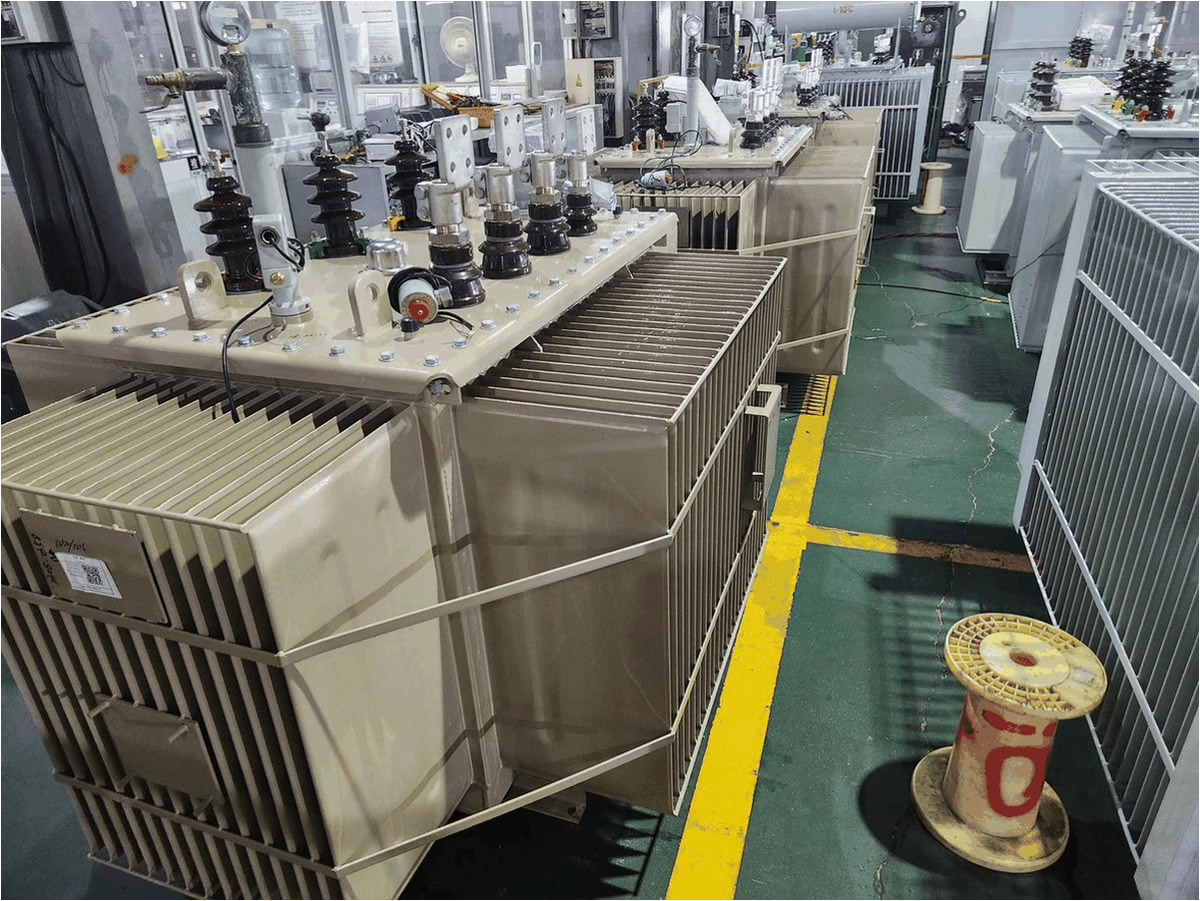
Accurate kVA Capacity Sizing and Motor-Starting Inrush Margins
Selecting the correct transformer rating requires performing a detailed electrical plant load analysis that accounts for continuous base loads alongside transient motor-starting inrush currents. Large induction motors and industrial compressors draw starting currents ranging from five to seven times their nominal full-load rating. When starting across the line, this high current draw induces substantial voltage drops across transformer internal impedance, which can trigger control relay dropouts and disrupt automated production tooling.
Plant electrical engineers calculate transformer capacity to restrict transient voltage dips to within 10% to 15% of nominal busbar voltage during the starting cycle of the largest plant motor. XIAOWEI manufactures three-phase industrial step-down transformers across standard ratings from 50kVA up to 5000kVA, stepping primary supply voltages (such as 11kV, 13.8kV, 22.9kV, or 34.5kV) down to utilization levels (480V, 400V, or 208V). To accommodate seasonal transmission line voltage variations and optimize secondary motor bus voltage, high-voltage windings incorporate manual de-energized tap changers (DETC) providing standard +/-2x2.5% regulation steps, ensuring stable operating voltages under fluctuating supply conditions. Designing transformers with customized percentage impedance allows electrical engineers to balance downstream fault current limitations with acceptable motor-starting voltage stability. When sizing units for multi-motor facilities, engineers also evaluate duty cycle diversity factors, harmonic derating allowances, and future facility expansion margins (typically 20% to 25% spare capacity), preventing premature transformer overloading as factory production lines expand.
Managing Non-Linear Harmonic Loads with K-Factor Configurations
Modern industrial facilities operate extensive non-linear power electronics, including thyristor rectifiers, variable frequency drives, uninterruptible power supplies, and automated welding cells. These non-linear loads draw distorted, non-sinusoidal currents containing high concentrations of harmonic frequencies (principally 3rd, 5th, 7th, 11th, and 13th harmonics). Harmonic currents increase eddy current losses within transformer copper windings and induce high stray flux heating in structural tank components, causing standard catalog transformers to overheat and suffer early insulation breakdown.
XIAOWEI builds industrial transformers with customized K-factor ratings (K-4, K-13, and K-20) engineered to handle harmonic currents. Windings utilize transposed copper conductors to lower skin-effect resistance, while electrostatic copper shielding between primary and secondary coils diverts high-frequency common-mode electrical noise to earth ground. Neutral busbars are fabricated with 200% ampacity cross-sections to carry triplen zero-sequence harmonic currents safely without overheating. The magnetic core integrates cold-rolled grain-oriented silicon steel with precision 45-degree full-miter step-lap joints and a lapless upper yoke configuration, minimizing stray magnetic flux generation and lowering continuous excitation dissipation under distorted load profiles.
Insulation Technology Selection: Cast Resin Dry-Type vs Liquid-Immersed
Choosing between dry-type and liquid-immersed transformers depends on facility spatial layouts, environmental moisture, and building fire safety regulations:
Cast Resin Dry-Type Transformers (SCB Series): Well-suited for indoor electrical rooms, multi-story factory mezzanine levels, and food or pharmaceutical processing cleanrooms where liquid dielectric fluids are restricted. Encapsulated in vacuum-cast Class F or Class H epoxy resin, these units satisfy F1 self-extinguishing fire ratings under IEC 60076-11. The solid dielectric structure generates zero toxic emissions during external flame exposure and requires no civil oil catchment basins. In addition, cast resin dry-type transformers can integrate cross-flow cooling fan assemblies (AF mode) that boost continuous operating capacity by 30% to 50% during plant emergency peak production shifts.
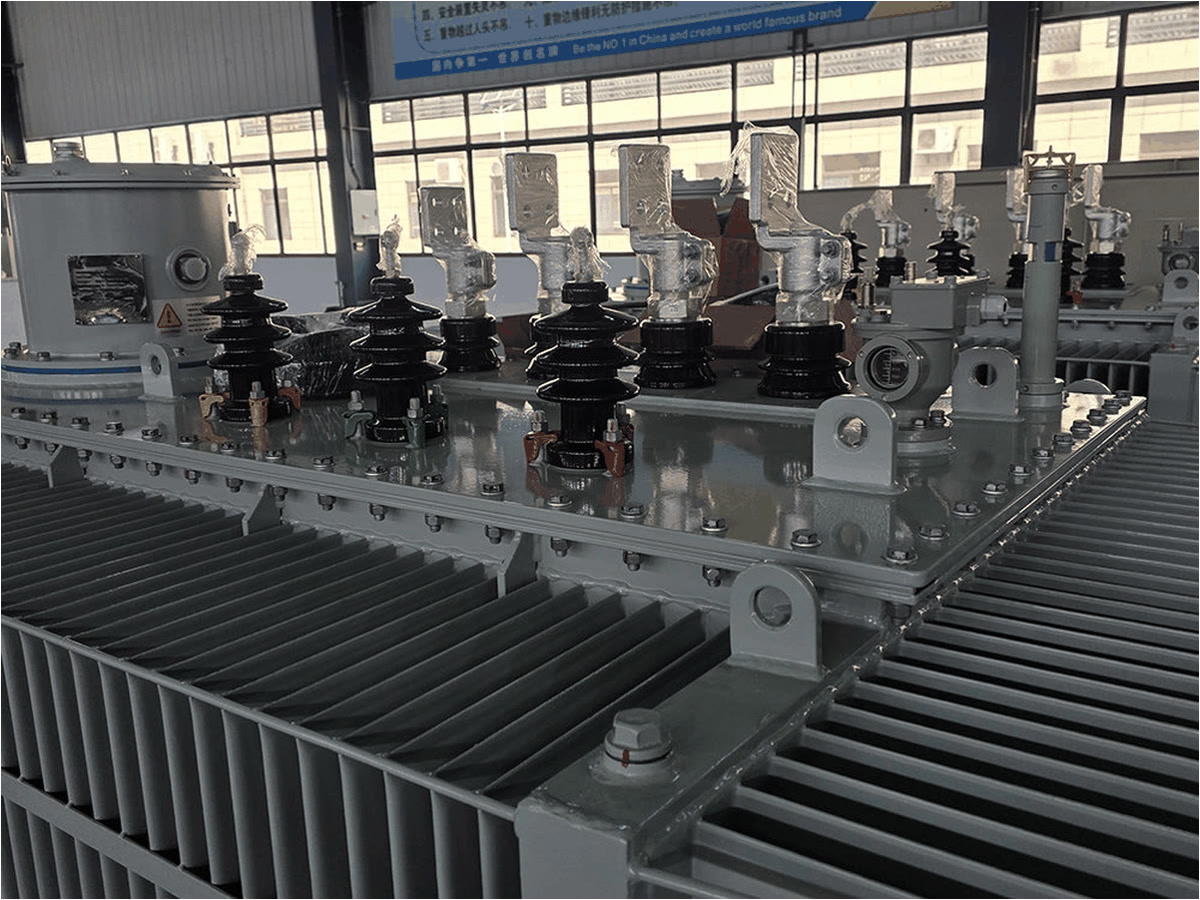
Liquid-Immersed Distribution Transformers (S11 and S13 Series): Preferred for outdoor industrial substations, perimeter service yards, and heavy chemical plants where continuous heavy loading and harsh ambient conditions predominate. Liquid-immersed units provide efficient thermal dissipation through natural convection (ONAN) and offer high short-circuit mechanical endurance. When filled with biodegradable natural ester FR3 fluid (fire point exceeding 300 deg C), liquid-immersed transformers combine high thermal dissipation with fire safety near factory walls.
Environmental Enclosure Protection and Smart Sensor Integration
Industrial environments subject electrical equipment to airborne metal dust, chemical vapors, coolant sprays, and ambient temperature extremes. Standard painted cabinets deteriorate rapidly under these factory atmospheric stresses.
XIAOWEI fabricates industrial transformer enclosures compliant with IP54, IP55, or NEMA 4X standards using heavy-gauge cold-rolled carbon steel or stainless steel. Structural surfaces undergo automated shot blasting, chemical phosphating, and multi-layer electrostatic powder coating using epoxy zinc primers and polyurethane topcoats, meeting ISO 12944 C4 anti-corrosion benchmarks. Enclosures incorporate sloped rainproof roofs, internal labyrinth dust baffles, and closed-cell elastomer gaskets. Smart condition monitoring is provided via PT100 temperature sensors embedded in winding ducts and DGPT2 integrated relays that transmit temperature, gas, and internal pressure alarms to central factory SCADA networks via RS485 Modbus communication.
Direct Factory Sourcing and Industrial Engineering Portal
Procuring industrial distribution transformers directly from an established manufacturing plant ensures that plant operators receive verified material traceability, authentic factory test reports, and direct engineering collaboration. Direct factory communication simplifies custom terminal compartment design, dual-voltage primary tapping configurations, and specialized protection integration.
Backed by 20 years of transformer manufacturing experience and multi-standard production capabilities, XIAOWEI maintains modern fabrication facilities and accredited testing infrastructure to support global industrial electrification. To review industrial distribution transformer technical datasheets, download 3D CAD dimensional models, access certified factory test reports, or obtain formal project quotations, visit the official company website: https://www.xiaoweipower.com. Experienced application engineers remain available to assist plant engineering teams with load profile analyses, motor inrush calculation checks, harmonic mitigation studies, and custom substation layouts, supporting uninterrupted industrial manufacturing.
Jiangsu Xiaowei Electric Co., Ltd.
XIAOWEI
Visit us on social media:
Facebook
Legal Disclaimer:
EIN Presswire provides this news content "as is" without warranty of any kind. We do not accept any responsibility or liability for the accuracy, content, images, videos, licenses, completeness, legality, or reliability of the information contained in this article. If you have any complaints or copyright issues related to this article, kindly contact the author above.
