

Emerging Awning Design Trends for 2026 Reflect Shifts in Residential Style and Outdoor Living Priorities
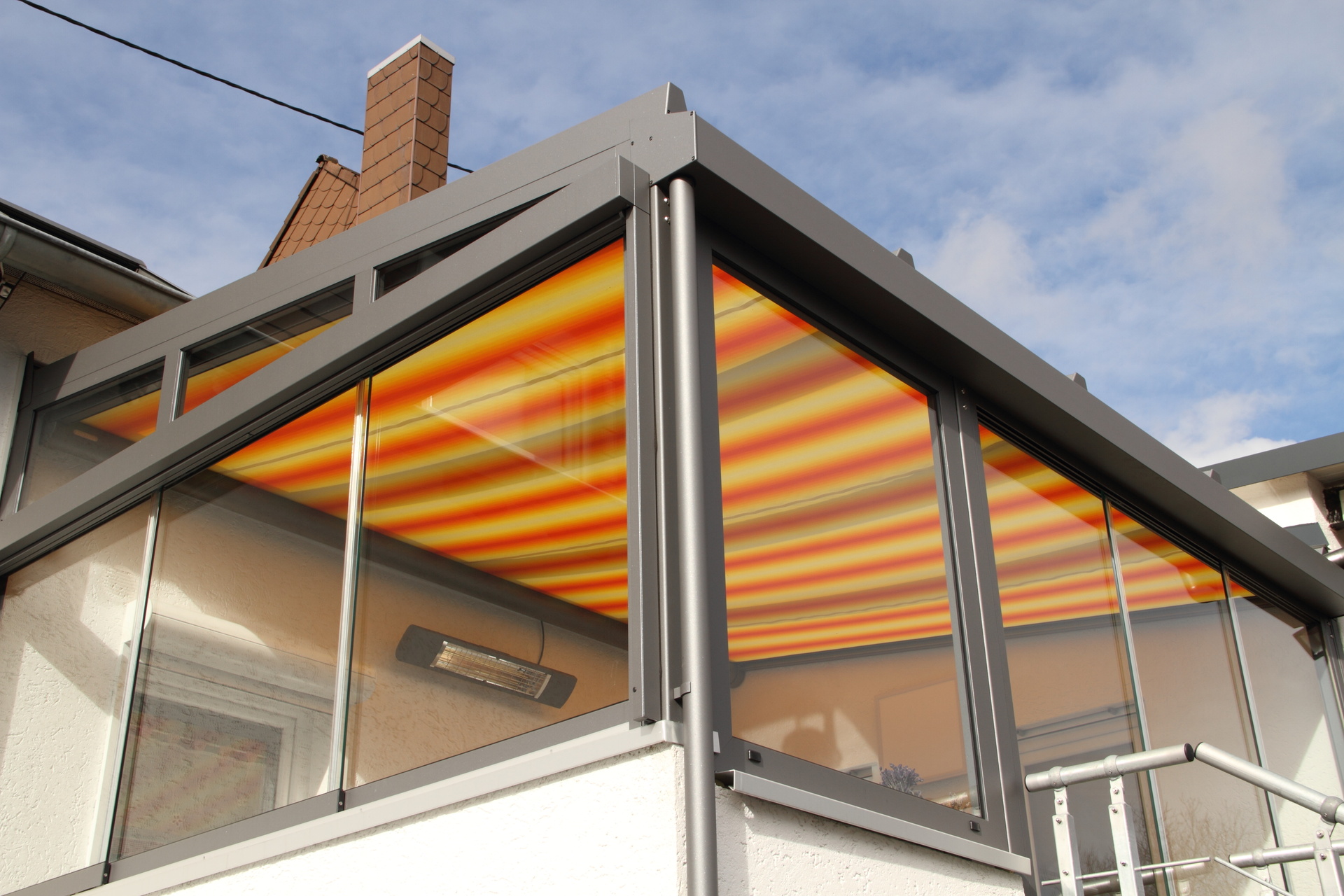

Homeowners are selecting styles that align with the architecture of the home while delivering measurable performance benefits”
BATON ROUGE, LA, UNITED STATES, February 27, 2026 /EINPresswire.com/ -- Residential exterior design continues to evolve as homeowners place greater emphasis on outdoor living, energy efficiency, and architectural cohesion. In 2026, awning design trends reflect these priorities through updated materials, neutral color palettes, streamlined framing systems, and expanded functional applications.— Michael Matthews
Awnings have long served as practical architectural elements, offering shade and weather protection. However, design considerations have expanded beyond basic functionality. Homeowners increasingly seek awning systems that complement exterior finishes, enhance curb appeal, and support long-term durability.
“Awning design has shifted toward integration rather than addition,” said Michael Matthews, President and Chief Executive Officer of Awning World in Baton Rouge, Louisiana. “Homeowners are selecting styles that align with the architecture of the home while delivering measurable performance benefits.”
One notable trend for 2026 involves minimalist framing and clean lines. Modern residential architecture, including transitional and contemporary styles, favors understated metal supports and concealed mounting systems. Slim-profile aluminum frames and powder-coated finishes allow awnings to appear integrated into the façade rather than visibly attached.
Neutral and earth-toned fabrics dominate color selections. Shades such as sand, slate, charcoal, and muted greens complement brick, stucco, and siding materials common throughout Louisiana. Striped patterns remain present but have shifted toward subtle contrast rather than bold, high-saturation designs.
Durability continues to influence material selection. High-performance acrylic and solution-dyed fabrics designed to resist fading and mildew are increasingly common. In regions with strong sun exposure and high humidity, material longevity plays a central role in homeowner decisions.
Retractable awning systems have also gained traction. Motorized retractable models allow adjustable shade coverage, enabling homeowners to extend or retract awnings based on weather conditions. Integration with home automation systems and wind sensors reflects growing interest in smart-home compatibility.
Outdoor living expansion remains a defining trend. Covered patios, outdoor kitchens, and extended seating areas frequently incorporate awning systems to create usable shaded zones. Rather than serving only window openings, awnings now frame larger outdoor environments designed for daily use and entertainment.
Freestanding awning structures and pergola-style shade systems are also appearing more frequently in residential design plans. These installations create distinct outdoor rooms while maintaining airflow and visibility. Combined with weather-resistant materials, such structures extend the functional footprint of the home.
Matthews noted that homeowners increasingly evaluate shading solutions as part of broader energy considerations. “Solar control and interior temperature regulation are influencing design choices,” Matthews said. “Awnings are being selected with both aesthetic and efficiency objectives in mind.”
Energy efficiency remains a practical driver behind awning installations. By reducing direct sunlight through windows and glass doors, shading systems can help moderate interior heat gain. This passive design strategy aligns with long-term sustainability planning and building performance goals.
Customization also defines 2026 trends. Homeowners seek tailored dimensions, fabric patterns, and hardware finishes that align with architectural details. Coordinating awnings with exterior lighting fixtures, trim colors, and roofing materials supports cohesive design outcomes.
Commercial-inspired aesthetics have also crossed into residential applications. Clean geometric forms and solid-color valances reflect a contemporary design influence. However, traditional scalloped valances remain popular in historic neighborhoods and heritage-style homes.
Coastal and storm-resilient design considerations shape product selection in Gulf Coast regions. Reinforced mounting systems and wind-rated frames support durability during severe weather events. Material performance under heavy rain and high humidity remains a priority.
Sustainability awareness extends to material sourcing and product lifespan. Long-lasting fabrics and corrosion-resistant frames reduce replacement frequency. Low-maintenance finishes limit the need for harsh cleaning agents, contributing to environmental considerations.
Lighting integration represents another emerging feature. Under-awning LED strips and concealed fixtures create evening usability while maintaining streamlined daytime appearance. Lighting systems are often paired with retractable models to support multi-purpose outdoor spaces.
Homeowners also show increased interest in color coordination with landscaping elements. Awnings selected to complement surrounding greenery and garden design reinforce visual harmony across the property.
Matthews emphasized that design selection should align with structural evaluation. “Every installation requires assessment of wall composition, rooflines, and load-bearing capacity,” Matthews said. “Proper engineering ensures long-term stability.”
As residential design trends evolve in 2026, awnings continue to transition from purely functional accessories to integrated architectural components. Clean profiles, durable materials, smart automation features, and expanded outdoor applications define the current direction of shading solutions.
In Baton Rouge and surrounding communities, exterior design remains closely tied to climate considerations. Shade structures must balance visual appeal with resilience in a region defined by sun exposure and seasonal storms.
Through careful planning and alignment with architectural style, awning systems contribute to enhanced outdoor living while supporting long-term building performance. The trends emerging in 2026 reflect a broader shift toward cohesive, adaptable exterior environments shaped by both aesthetic preference and practical necessity.
Morgan Thomas
Rhino Digital, LLC
+1 504-875-5036
email us here
Visit us on social media:
Facebook
Legal Disclaimer:
EIN Presswire provides this news content "as is" without warranty of any kind. We do not accept any responsibility or liability for the accuracy, content, images, videos, licenses, completeness, legality, or reliability of the information contained in this article. If you have any complaints or copyright issues related to this article, kindly contact the author above.
