

Spray Foam vs. Fiberglass Metal Building Insulation: Experts Highlight Condensation Risks and Performance Differences
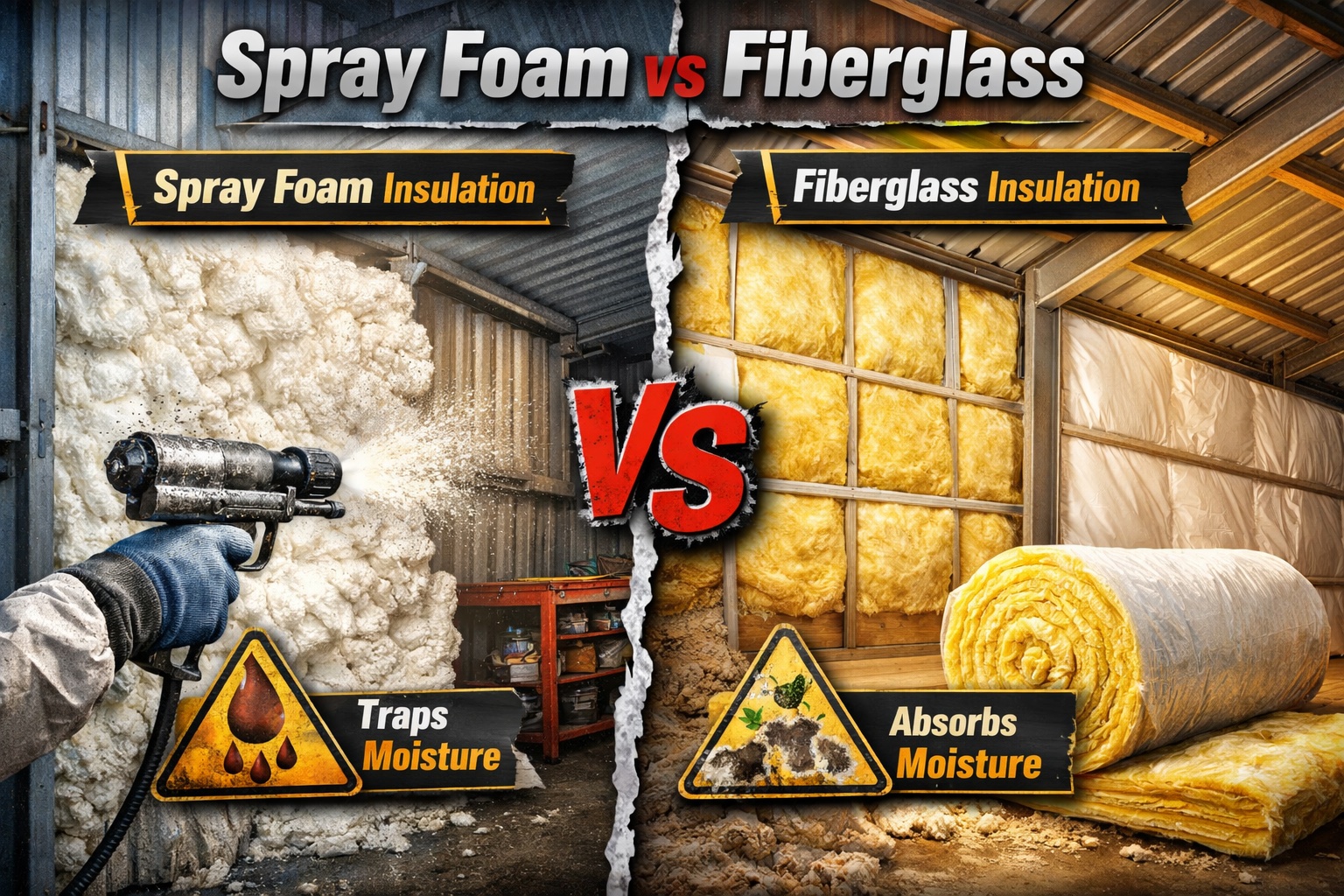
Spray foam vs fiberglass

Closed cell foam of Prodex Total Insulation
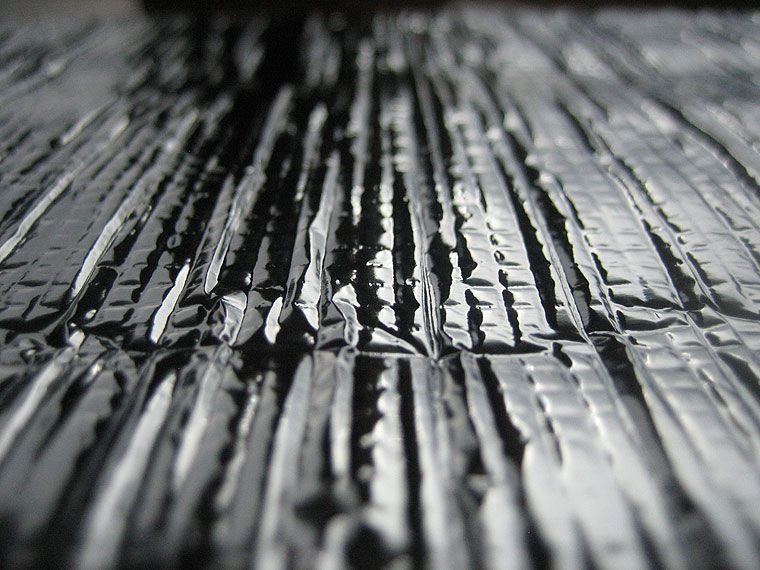
Foil on Prodex Total Insulation
Spray Foam vs. Fiberglass Metal Building Insulation
HOUSTON, TX, UNITED STATES, February 8, 2026 /EINPresswire.com/ -- Insulation4Less shares insights into why condensation control is becoming the deciding factor in metal building insulation choices
As demand for metal buildings continues to grow across agricultural, commercial, and residential markets, insulation selection has become a major focus for contractors and property owners. Insulation4Less, a national insulation supplier specializing in metal building solutions, released a new informational comparison outlining the differences between spray foam metal building insulation and fiberglass metal building insulation, with particular emphasis on condensation prevention and long-term performance.
Metal buildings are known for durability and speed of construction, but the same steel panels that make them strong can also create major moisture challenges. Condensation forms when warm, humid air contacts cold metal surfaces, leading to water droplets that may contribute to corrosion, mold growth, and reduced insulation effectiveness over time.
Condensation Control Is Emerging as the Primary Concern in Metal Buildings
While insulation is often evaluated by R-value alone, industry professionals increasingly note that metal buildings require insulation systems that address more than heat transfer.
“Metal buildings behave differently than wood-framed structures,” said a spokesperson for Insulation4Less. “If condensation isn’t controlled, the building may experience rust, moisture damage, and insulation failure—even if the R-value on paper looks strong.”
Spray Foam in Metal Buildings: Strong Air Seal, But Potential Moisture Trapping Concerns
Spray foam insulation is frequently chosen for metal buildings due to its air-sealing properties. Closed-cell spray foam can deliver a high R-value and help reduce drafts. However, in metal building applications, some contractors note that foam may not address radiant heat effectively and can complicate future repairs or modifications.
In addition, certain installation conditions may create the risk of moisture becoming trapped between the foam and the metal surface, which can lead to hidden corrosion.
Fiberglass Insulation: Common and Affordable, But Vulnerable to Moisture
Fiberglass insulation remains widely used due to low upfront cost and broad availability. However, fiberglass is known to be moisture-sensitive. When exposed to condensation or humidity, fiberglass can absorb water, compress, and lose insulation value. In some cases, prolonged moisture exposure may contribute to mold and mildew.
This has led many builders to treat fiberglass insulation in metal buildings as a system that requires careful vapor barrier installation and moisture planning.
Alternative Systems Designed for Metal Buildings Gain Attention
The report also notes growing interest in insulation systems specifically engineered for metal structures. These solutions typically combine insulation value with vapor control and radiant heat reflection.
One such product is Prodex Total Insulation, a multi-layer insulation system designed to function as an insulation layer, radiant barrier, and vapor barrier in one. Unlike fiberglass, it does not absorb moisture, and unlike spray foam, it is installed in rolls without permanent adhesion to the metal surface.
Market Trend: Energy Efficiency and Moisture Prevention Driving Purchasing Decisions
As energy efficiency standards tighten and more metal buildings are used as conditioned spaces—such as workshops, barndominiums, garages, and commercial facilities—contractors are placing greater emphasis on insulation systems that reduce heat gain, minimize condensation risk, and provide consistent long-term performance.
Insulation4Less reports that customer interest has increased in educational comparisons. For comprehensive information:
Spray foam vs fiberglass comparison
Prodex vs spray foam comparison
Fiberglass vs Prodex comparison
Jonathan Barber
www.Insulation4Less.com
+ +1 281-356-0798
email us here
Visit us on social media:
Facebook
YouTube
X
Legal Disclaimer:
EIN Presswire provides this news content "as is" without warranty of any kind. We do not accept any responsibility or liability for the accuracy, content, images, videos, licenses, completeness, legality, or reliability of the information contained in this article. If you have any complaints or copyright issues related to this article, kindly contact the author above.
