

Thoughtful Project Planning Improves Efficiency and Cost Control in Construction Projects
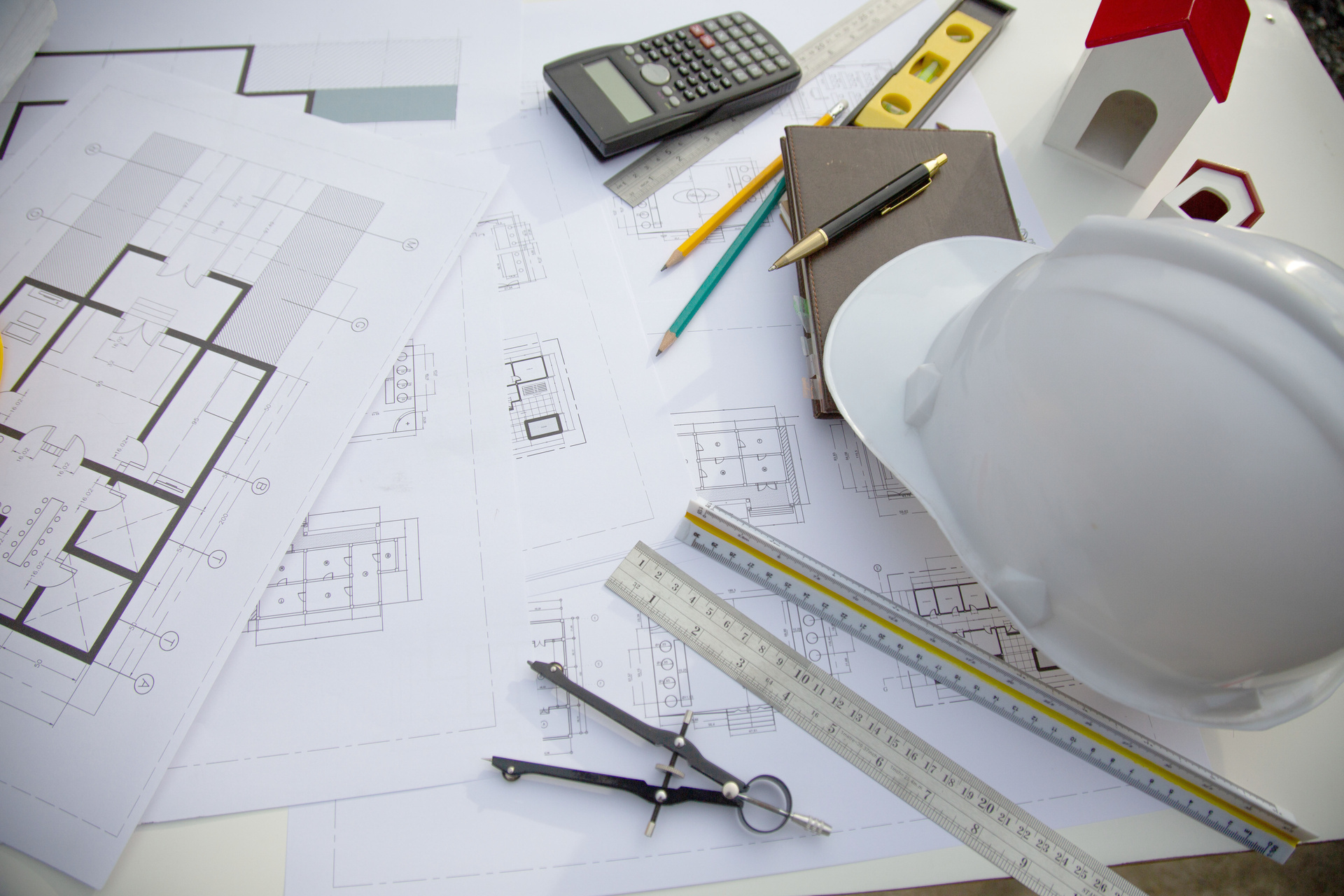

When details are addressed early, fewer resources are spent fixing avoidable problems later”
SLIDELL, LA, UNITED STATES, January 22, 2026 /EINPresswire.com/ -- In construction, outcomes are shaped long before equipment arrives on site. Project planning, often viewed as an administrative phase, plays a defining role in how efficiently a project moves forward and how well costs remain controlled. Industry professionals continue to emphasize that careful planning reduces delays, minimizes rework, and supports safer, more predictable construction environments.— Elwin Ordoyne
Construction projects involve multiple variables that must align: design intent, materials, labor availability, scheduling, regulatory requirements, site conditions, and logistics. When these elements are not addressed early, issues tend to surface during execution, where corrections become more expensive and disruptive.
Project planning establishes a structured framework for decision-making. It clarifies scope, defines responsibilities, sets timelines, and anticipates risks before they impact progress. This process allows teams to address challenges on paper rather than in the field.
At its core, planning transforms uncertainty into organized preparation. It allows stakeholders to visualize each phase of construction and understand how tasks depend on one another. When sequencing is clearly defined, crews move more efficiently and downtime is reduced.
Material management represents one of the clearest examples of planning benefits. Accurate forecasting prevents shortages, over-ordering, and storage complications. When materials arrive at the correct time and in the correct quantities, workflow remains consistent and waste is reduced.
Scheduling also benefits directly from thoughtful planning. Realistic timelines account for weather conditions, inspection requirements, subcontractor coordination, and delivery schedules. Buffer periods provide flexibility without jeopardizing deadlines. This structure supports continuity and limits rushed decision-making.
Risk identification is another essential component. Planning reviews site conditions, utility locations, soil reports, access limitations, and safety concerns. Early awareness of these factors allows mitigation strategies to be developed before work begins. This proactive approach reduces the likelihood of emergency corrections.
“Project planning is where most cost savings actually begin,” said Elwin Ordoyne, Vice President of E.C.O. Builders Inc. in Slidell, Louisiana. “When details are addressed early, fewer resources are spent fixing avoidable problems later.”
Design coordination plays a major role in planning success. Clear communication between architects, engineers, and builders ensures that drawings reflect constructability. Conflicts between systems can be identified and resolved before installation begins, preventing delays and material loss.
Regulatory compliance also benefits from early planning. Permit requirements, inspections, environmental considerations, and zoning conditions can be incorporated into schedules rather than becoming unexpected obstacles. This alignment supports smoother project progression.
Budget control improves when planning provides realistic cost projections. Itemized estimates, contingency allowances, and scope clarity reduce the risk of cost overruns. When changes occur, their financial impact can be evaluated accurately.
Labor efficiency increases as well. Crews perform better when tasks are clearly defined and properly sequenced. Productivity improves when workers are not waiting for materials, instructions, or access. Consistency supports morale and safety.
Safety planning deserves equal attention. Hazard identification, access control, and workflow design contribute to safer job sites. When safety is integrated into planning, incidents decline and productivity improves.
Planning also strengthens communication. Stakeholders share a common reference point for expectations, timelines, and responsibilities. This shared understanding reduces misunderstandings and supports accountability.
Another benefit lies in adaptability. Well-planned projects can respond to change more effectively. When adjustments become necessary, teams can modify schedules and resources without losing overall direction.
“Planning does not eliminate challenges,” Ordoyne said. “It creates a structure that allows challenges to be handled with less disruption.”
Technology has enhanced planning capabilities. Digital modeling, scheduling software, and collaboration platforms allow teams to visualize workflows and identify conflicts early. These tools improve accuracy while supporting coordination across disciplines.
Project planning also supports quality control. Defined benchmarks and inspection points ensure that work meets design and regulatory standards throughout construction. Early detection of deviations prevents larger issues later.
Environmental considerations benefit from planning as well. Stormwater management, material handling, and waste reduction strategies can be incorporated into site logistics. This reduces environmental impact while maintaining operational efficiency.
Client expectations are also managed more effectively through planning. Clear schedules, defined milestones, and documented scope establish realistic understanding. This transparency reduces frustration and improves working relationships.
In commercial and residential construction alike, thoughtful planning provides stability. It allows projects to move forward with purpose rather than reaction. The difference becomes visible in smoother transitions between phases, fewer interruptions, and more predictable outcomes.
Cost reduction through planning does not rely on cutting corners. It relies on eliminating inefficiencies. Each avoided delay, corrected conflict, and coordinated delivery represents saved time and preserved resources.
“Time and cost are closely connected in construction,” Ordoyne said. “Planning protects both by preventing unnecessary waste of either.”
As construction projects grow more complex, the importance of planning continues to increase. Coordination between trades, compliance requirements, and client expectations demand structured preparation.
Project planning serves as the foundation that supports every phase of construction. It guides execution, informs decision-making, and provides a framework for accountability.
When planning is treated as an essential process rather than a preliminary formality, projects benefit through greater consistency, improved safety, controlled costs, and reliable timelines.
Thoughtful project planning does not simply prepare a project to begin. It prepares the project to succeed.
Morgan Thomas
Rhino Digital, LLC
+1 504-875-5036
email us here
Visit us on social media:
Facebook
Legal Disclaimer:
EIN Presswire provides this news content "as is" without warranty of any kind. We do not accept any responsibility or liability for the accuracy, content, images, videos, licenses, completeness, legality, or reliability of the information contained in this article. If you have any complaints or copyright issues related to this article, kindly contact the author above.
