

Flat Roof vs. Pitched Roof Systems: Key Differences to Understand Before Replacement
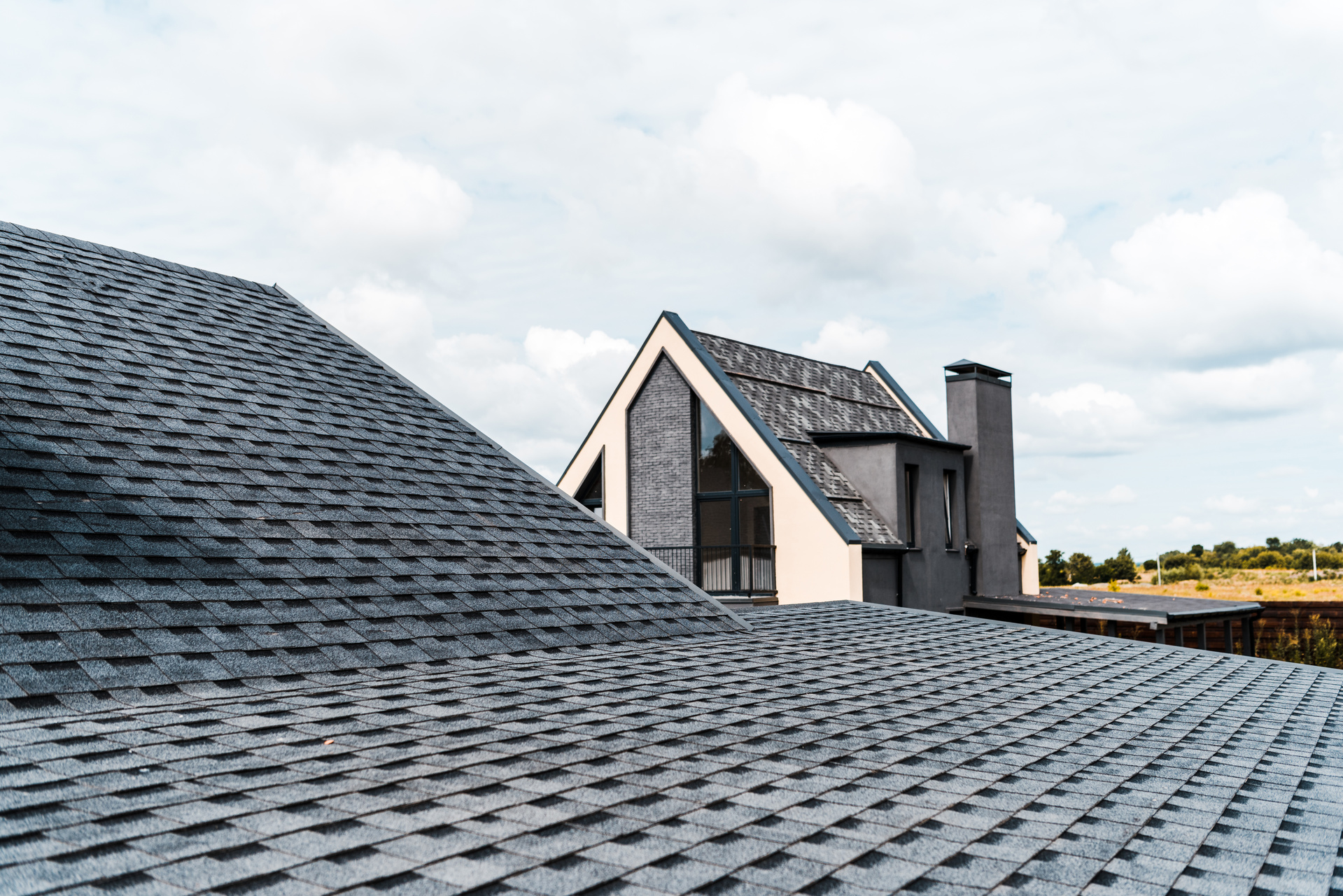
Choosing between flat and pitched systems depends on the structure, drainage requirements, and environmental conditions”
SLIDELL, LA, UNITED STATES, December 3, 2025 /EINPresswire.com/ -- When the time comes to replace a roofing system, one of the most important decisions involves whether a flat roof or a pitched roof design is most appropriate for the structure. Each system functions differently, handles weather conditions in unique ways, and requires its own approach to installation and long-term maintenance. Understanding the distinctions helps property owners make informed choices that match the needs of the building, the climate, and the long-term durability goals.— Jules Albert III
Jules Albert III, owner of Jaymar Roofing in Slidell, Louisiana, has worked with both systems extensively across residential, commercial, and mixed-use structures. With decades of field experience in diverse Gulf South weather conditions, he has seen firsthand how roof design affects building performance.
“Choosing between flat and pitched systems depends on the structure, drainage requirements, and environmental conditions,” Albert said. “Each roof type has strengths and limitations that should be evaluated carefully.”
Flat roofs and pitched roofs share the same purpose—protection—but they achieve that purpose through different structural philosophies. Here is an in-depth look at how each system functions, where they perform best, and what property owners should keep in mind before committing to a replacement.
THE FLAT ROOF SYSTEM
Flat roofs are common in commercial buildings, warehouses, industrial structures, multi-family housing, and modern residential designs. Despite the name, a flat roof is never completely flat; it includes a slight pitch to allow drainage.
Advantages of Flat Roofs
1. Usable Surface Area
Flat roofs often support mechanical units such as HVAC systems, solar panels, or communication equipment. This keeps bulky equipment off the ground and away from sightlines.
2. Easier Access
Maintenance teams can walk across flat roofing systems more comfortably, allowing easier inspections, repairs, and servicing of rooftop equipment.
3. Modern Architectural Appeal
Contemporary structures often incorporate flat roofs as part of their design language, giving buildings a streamlined, minimalist appearance.
Limitations of Flat Roofs
1. Drainage Requirements
Even with a slight pitch, flat roofs drain more slowly than pitched roofs. Debris accumulation or improper drainage can lead to ponding, membrane stress, and moisture intrusion over time.
2. Increased Vulnerability to Humidity
In climates like Louisiana, high humidity and heavy rainfall place significant demands on flat-roof systems. Membrane selection, installation quality, and maintenance frequency become critical.
3. Shorter Lifespan for Some Materials
Many flat-roof materials, such as modified bitumen and certain single-ply membranes, require scheduled maintenance to remain structurally sound in wet, hot environments.
Albert notes that flat roofs perform best when the drainage, flashing, and membrane systems are built with regional weather in mind. “A flat system has to be designed around moisture management and structural load,” he said.
THE PITCHED ROOF SYSTEM
Pitched roofs are found primarily in residential properties, though many commercial structures also incorporate them for aesthetics and drainage performance.
Advantages of Pitched Roofs
1. Superior Drainage
A pitched design naturally sheds water and debris. This reduces long-term moisture exposure and helps roofing materials last longer.
2. Wider Material Options
Pitched roofs can be built using shingles, tiles, metal, or slate, offering more flexibility in style and performance.
3. Better Ventilation
Attic spaces beneath pitched roofs often support balanced ventilation systems that reduce heat and moisture buildup inside the structure.
Limitations of Pitched Roofs
1. Reduced Access
Walking on pitched roofs is more challenging, making inspections and repairs more labor-intensive.
2. Higher Structural Requirements
The framing required for pitched designs can be more complex, especially when retrofitting or converting from a flat-roof structure.
3. Limited Rooftop Usability
Mechanical units and equipment usually cannot be placed on pitched surfaces, requiring ground-level or separate mechanical-room accommodations.
Albert emphasizes that pitched systems perform exceptionally well in high-rainfall regions. “A steep slope keeps water moving,” he explained. “Movement protects materials and prevents unnecessary load on the roof deck.”
CLIMATE AND ENVIRONMENTAL CONSIDERATIONS
Structures in the Gulf South face a difficult combination of heavy rainfall, storms, humidity, heat, and debris. These conditions affect flat and pitched roofs differently.
Flat roofs require strong drainage design, durable membranes, reinforced flashing, and routine maintenance to combat moisture and ponding.
Pitched roofs must be engineered to withstand high winds, wind-driven rain, and rapid temperature changes.
Both systems can perform reliably when designed and installed correctly. The key lies in matching the roof type to the building’s purpose and environmental exposure.
COST AND LONG-TERM PERFORMANCE
The cost difference between flat and pitched roofs varies depending on materials and structural requirements. Flat roofs may involve more frequent maintenance, while pitched roofs may present higher upfront structural costs.
Factors to evaluate include:
• Expected lifespan of chosen materials
• Maintenance frequency
• Environmental stresses
• Use of rooftop mechanical systems
• Structural load and framing needs
• Long-term weather patterns
Albert advises property owners to evaluate performance expectations rather than focusing solely on initial pricing. “Roofing should be considered as a long-range decision,” he said. “Durability, maintenance, and climate impact determine whether a system performs as intended.”
WHAT TO KNOW BEFORE REPLACEMENT
Before committing to a roof replacement, property owners benefit from considering the following questions:
• What is the primary function of the building?
• Does the structure require rooftop equipment?
• How much rainfall and humidity must the roof withstand?
• Is long-term maintenance a priority or challenge?
• What materials best fit the environment?
• Does drainage pose a concern?
• Are there architectural or zoning requirements?
A thorough inspection of the existing roof deck also helps determine whether structural repairs are needed before replacement begins.
CONCLUSION
Flat roofs and pitched roofs each offer unique strengths. Flat roofs support modern design and equipment placement, while pitched roofs excel in drainage and structural longevity. In regions like Louisiana—where humidity, storms, and heat shape daily conditions—the right roofing choice depends on building type, climate demands, and long-term performance goals.
Albert summarizes the decision process by emphasizing structural fit and environmental awareness. When evaluated carefully, the chosen roofing system can provide reliable protection and stability for years ahead.
Morgan Thomas
Rhino Digital, LLC
+1 504-875-5036
email us here
Visit us on social media:
Facebook
Legal Disclaimer:
EIN Presswire provides this news content "as is" without warranty of any kind. We do not accept any responsibility or liability for the accuracy, content, images, videos, licenses, completeness, legality, or reliability of the information contained in this article. If you have any complaints or copyright issues related to this article, kindly contact the author above.
